Page 27 of 37
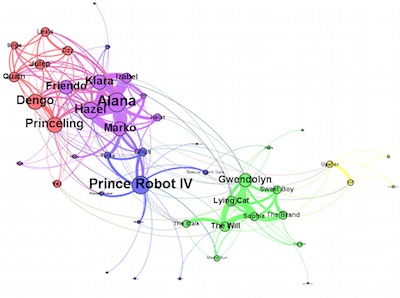
This project examines how network visualizations can be used in literary analysis. I created a series of network graphs for three comics by B.K. Vaughn and used them to analyze the character structure in the comics and across Vaughn’s work.
Corporate Archives are important to American culture, and can also be a source of revenue for corporations as well as a way to connect with consumers. Corporate Archivist role is best as archivist and communicator.
For the past two semesters, we have been working as NYARC interns located at the Frick doing web archiving of various types of sites (galleries, museums, catalogue raisonnes). We would like to share about the processing of web archiving using Archive-It as well as other new technologies such as Rhizome’s web recorder.
Our project, Artists’ Books Holdings, is an attempt to analyze and visualize data about artists’ books holdings on an international scale. This project is a work in progress created in LIS 644- Programming for cultural heritage. It illustrates our ability to work with data in a programmatic manner and create visualizations that represent data in a more human readable manner.
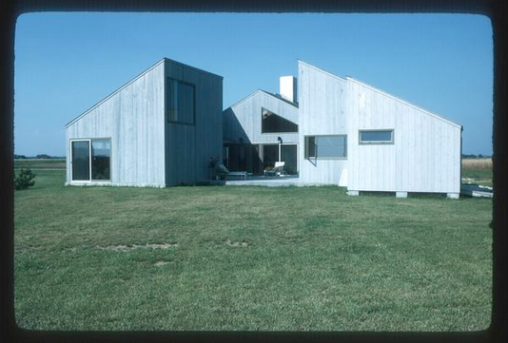
Christina, Mariaelena and Eugene will present the class’s work on archiving an architectural photography collection, specifically the Bill Maris and Julie Semel Collection. Work includes making enhancements to an online DACS/EAD finding aid, curating an exhibition of the photographer’s work, processing and rehousing the collection, and digitizing select photographs.
Things Fall Apart is a poster promoting the value of collection weeding.
This study aims to shed light on conversations of surveillance over the past 40 years of American discourse, using a corpus of Congressional records, mainstream and independent news sources, movie scrips and reviews, and archival materials. By comparing general and specific sentiment measurement across these various sources, we examine points of similarity and difference in attitude across the present and past, cultural and countercultural, institutional and popular with regard to surveillance—watching surveillance, as it were, through assemblages of text and data.
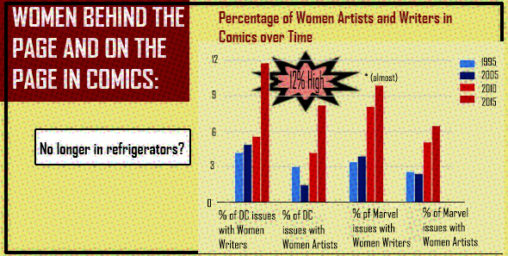
A frequent cultural topic is if women are regularly portrayed in mass media, and if they are present behind the scenes. Using data analysis, I looked at mass-marketed comics to see if women are increasingly being represented on both sides of the page.
In America, parody is protected as a form of speech by the First Amendment. In recent years, with the tragedy at Charlie Hebdo a glaring example, the ability to comment on some subjects are becoming increasingly dangerous. A brief history of Parody, Satire, Censorship and where it is taking us.
This presentation will consider the integration of local history collections into traditional public institutions, examine some challenges and cases of developing this collection model for public libraries, and ultimately explore how public information professionals can prepare resources for the augmentation of their own collections.
Interviews were conducted to identify an art movement that 4-6 yr. old children felt most comfortable discussing. Children were introduced to basic visual literacy concepts in two images to gauge comprehension and improvement. Parents and educators were surveyed for interests in and challenges with integrating visual literacy into pre-k curriculum.
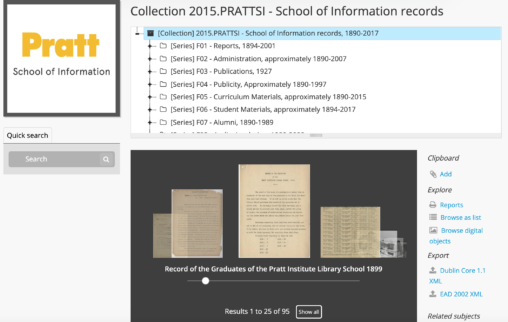
This presentation will discuss the processing and exhibition of the Pratt School of Information records. In this class-wide project from LIS 625 Management of Archives & Special Collections, students engaged in the work of the archivists, such as using archival standards like DACS and EAD and enacting preservation actions.
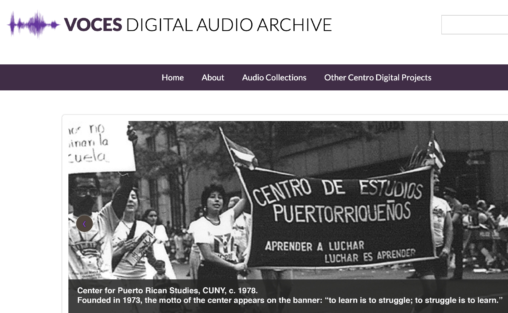
Coral will introduce the Voces Digital Audio Archive, an online archive created by students in LIS 665 that documents the Puerto Rican diaspora. Includes a discussion of digitization, curation, metadata and experience design of this collaborative project with the Archives of the Center for Puerto Rican Studies (CUNY).
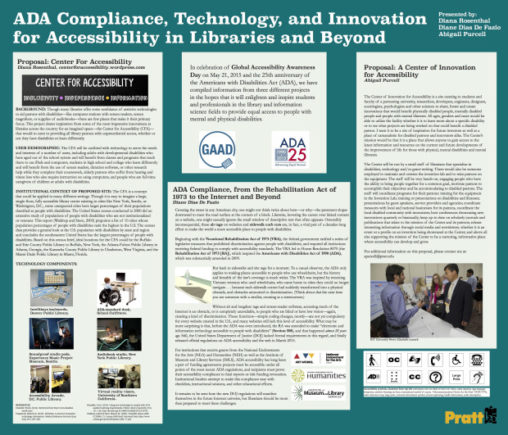
In celebration of Global Accessibility Awareness Day on May 21, an enlightening poster on ADA compliance, technology and innovations to provide equal access for people with disabilities in libraries and beyond.
Students from Projects in Digital Archives will present their work on archiving and digitizing select portions of a photography collection spanning architecture and design from the 1970s. The photography was created by architectural photographer Bill Maris and donated to Pratt a few years ago, and features photography in several formats.
NYARC implemented a web archiving program to preserve born-digital art resources and develop a sustainable model for archiving dynamic, image-based web content. As IMLS grant-funded interns for web archiving, we spent two semesters at the Frick Art Reference Library working on various facets for capturing online art resources.
Details a multi-stage research and design project to help the Asia Society Museum better engage with its visitors. Components include new outreach and communication strategies, a re-designed entryway and check-in process, and a new interface for their touch-screen kiosk.
This paper covers how different folksonomy based systems can be integrated into the public library to move towards Library 2.0. These programs can help show how the library is involved in the community. I also discuss how folkonomy can help patrons discover new books through discovery.