This data storytelling project investigates the story of three childhood best-friends and former refugees who lost each other for nearly four decades before reuniting in 2018.
This project was inspired by Part 1, Neighborhood Corridor: Estimating Historical Refugee Routes, established in Fall 2025.
This project is a blend of spatial storytelling and digital humanities, and is guided by 1:1 interviews and archival material to track their simultaneous movement throughout the world leading to their reconnection. Inspired by Cultural Anthropology principles, the work further chronicles the lived environments of refugees and migrants of this era in order to explore the conditions that laid the foundation for this story.
Why?
This study addresses that gap by pushing GIS beyond analytical tool and into investigative narrative medium through which displacement and memory can be examined. By reconstructing refugee trajectories through interviews, personal archives, and historical artwork and data, the project situates technical spatial methods within broader questions of migration and power.
The decision to frame this as a data storytelling project is itself an argument. While scale may be hindered by human memory of personal narratives, numbers and coordinates alone cannot share what these three men carried. This form of investigation, prioritizing ethical community-centered research, is designed to be humane.
Project Approach & Methodology
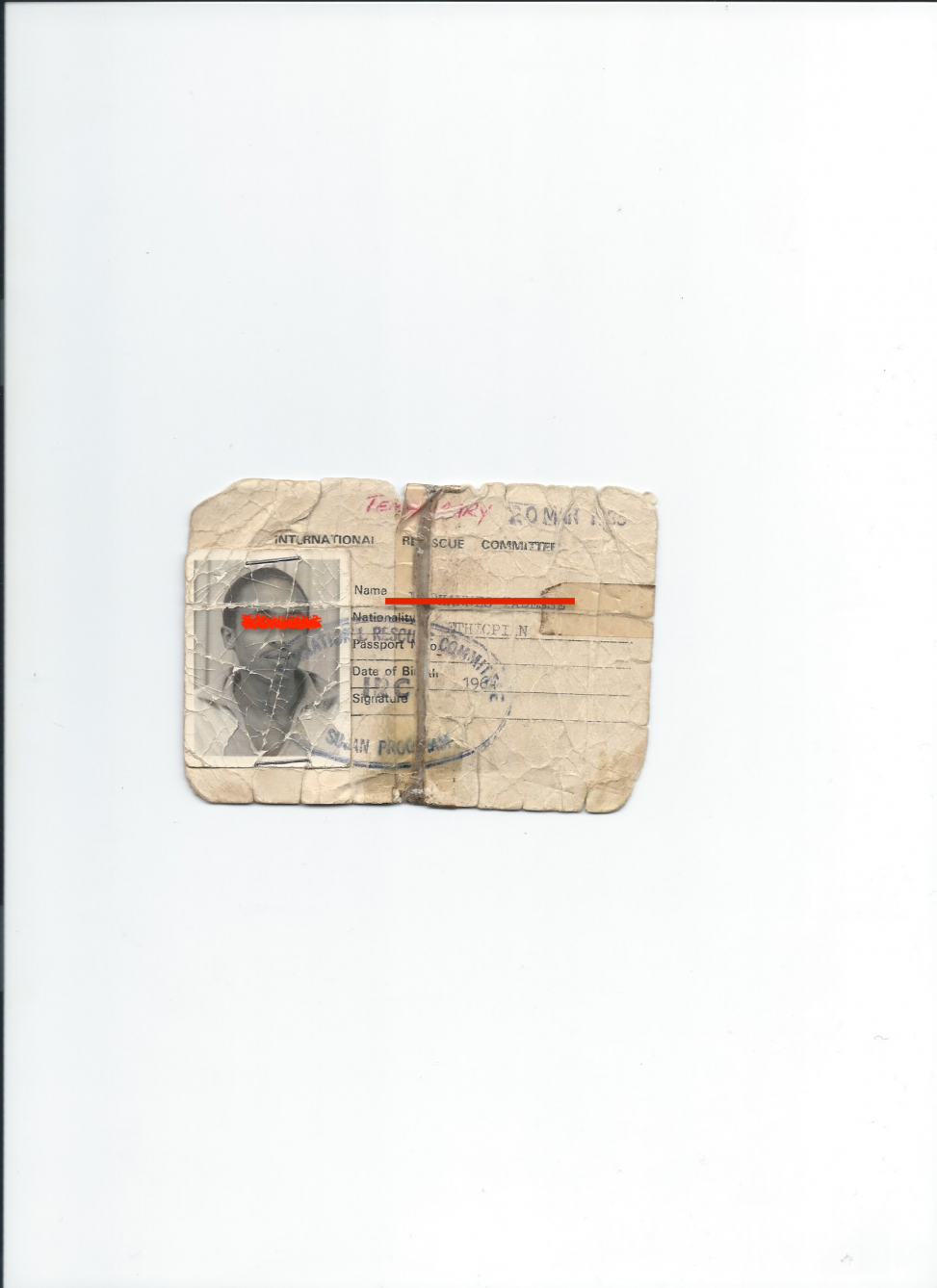
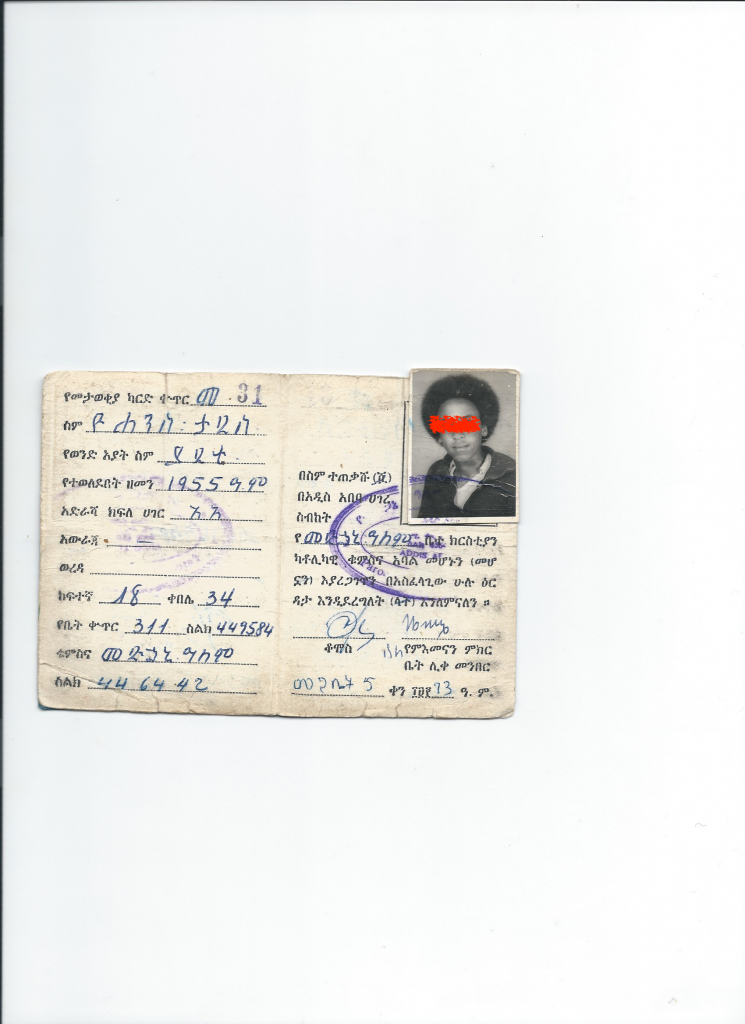
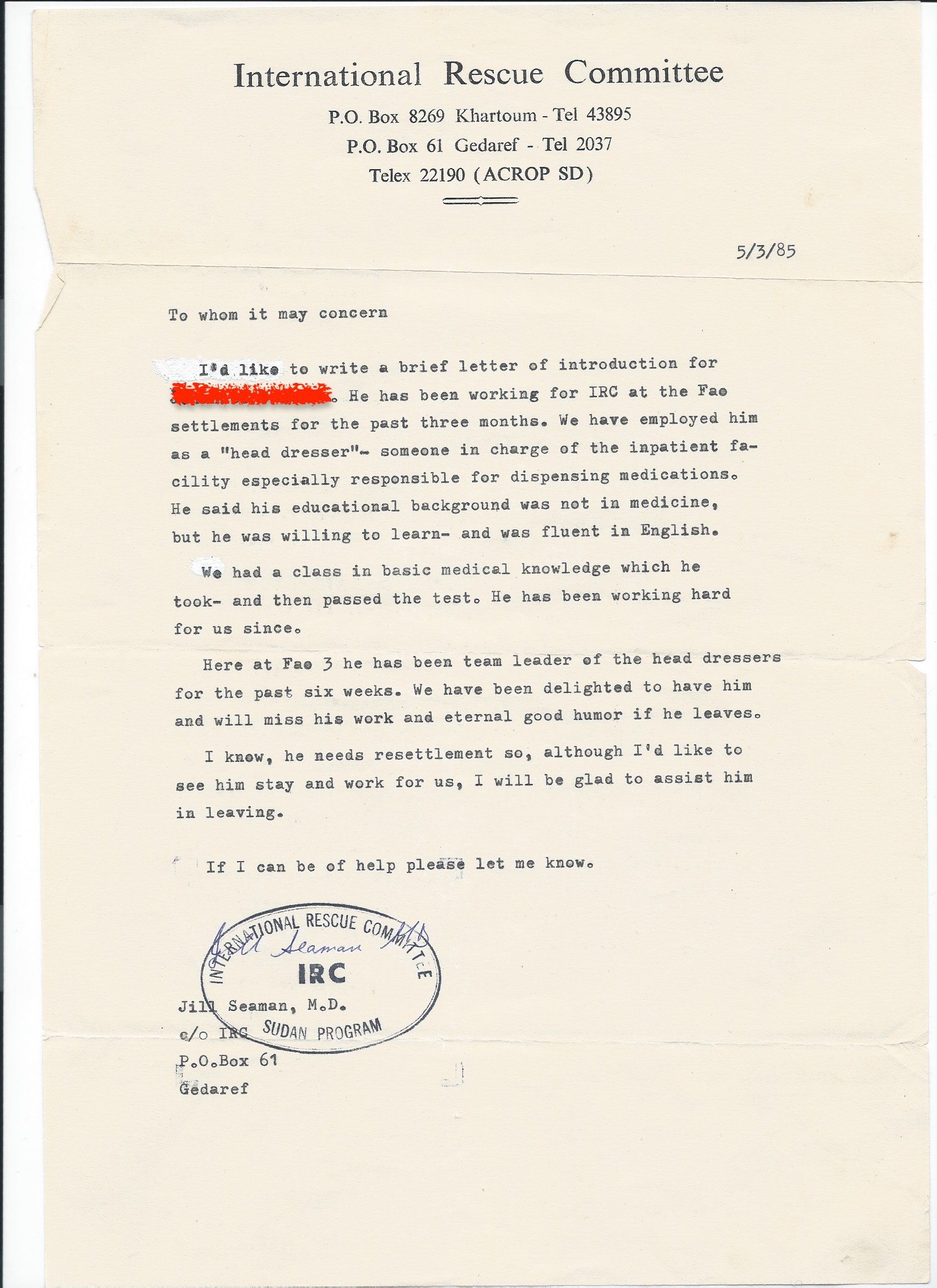
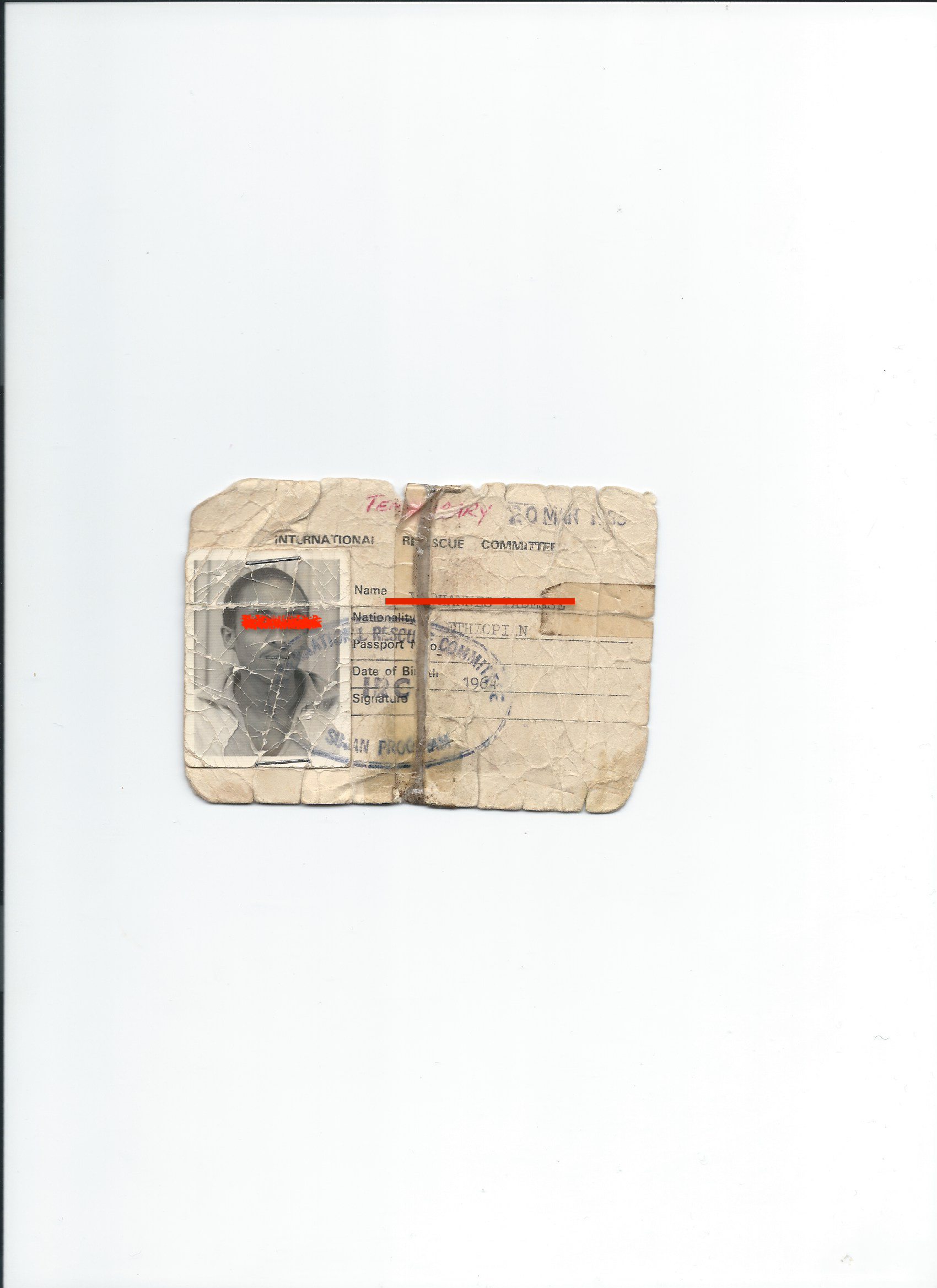
Oral History & Personal Archives: The primary sources for this project is from semi-structured interviews with each of the three to document their individual migration narratives in their own voices. Personal photographs, documents, and artifacts are digitized and curated, and geopolitical sources related to refugee camps, conflict zones, and migration routes are contextualized with their experiences.
Ethical and Critical Analysis: Reflective essays and research explore tensions between personal memory and institutional archives.
Spatial & Temporal Modeling: GIS tools model the parallel and intersecting trajectories of all three subjects, layered with historical conflict zones, environmental barriers, refugee camp locations, and shifting political boundaries (See: Neighborhood Corridor: Estimating Historical Refugee Routes)
Digital Visualization & Narrative Design: Interviews and geo-tagged archival material guide the building of synchronized maps to explore their simultaneous movements, as well as network diagrams representing memory and decision inflection points. To explore memory and tension in their experiences, the participants create cognition maps of the places and routes they’d taken.
Background, The Story (in Brief)
As teenagers, all three were involved in student and youth organizing in Addis Abeba during the Derg regime, each imprisoned separately as young as fifteen for their resistance to the government. In their early twenties, two fled together on foot toward Khartoum, Sudan — a journey of many weeks through wrong routes, under constant risk of capture. The third stayed behind, intending to follow when he could, wanting to provide for his family while he could.
In Khartoum, the pair lived first in refugee camps, working for the IRC, then in a shared home with other young refugees. This period was rocked by illness (typhoid) and poverty, yes, but the pair also regard this time as an incubator for liberatory theories and principles. After nearly 5 years, they found resettlement in Toronto, building families and lives, eventually settling in Minnesota and North Carolina respectively, all the while staying in contact.
During this time, the third made his way to Jerusalem, where he lived for roughly a decade before eventually settling in Washington, D.C.
For decades, all three sought each other; with the emergence of the internet, they each searched relentlessly to no avail. Phone calls to families in Ethiopia yielded nothing. Facebook searches went cold.
In 2018, the third returned to Addis Ababa for the first time since leaving in the 1980s. He found the elderly mother of one still living in the same home; weeping, he went to her door, asking only to know the truth on if the two had passed away in Khartoum, so he could finally mourn them properly. Within a week he had called them, and within days they had gathered in his DC home, now old men. By then, they had unknowingly been living in the same country for at least fifteen years.
Situating the Project
Neighborhood Resurrection is informed by and in conversation with related documentation efforts, including the DC Public Library’s Documenting the Ethiopian Communities of DC project.
In the process, it has also led to further research inquiries:
- The Stake of Surveillance & The Cycle of Refuge: An exploration of surveillance, digital anonymity, and the rights of migrants to online community and self-determination; inspired by the methods migrants and refugees may employ in searching for one another.
- Landscaping and Documentation: Study of the cultural landscape of migrant communities across 1980s–2000s Minnesota, Jerusalem, Toronto, D.C., and Khartoum; inspired by the participants’ cited extensive engagement with music and film while in Khartoum and Jerusalem, noting these periods and mediums as being pivotal for developing their liberatory practices.
Bibliography
Watch:
- Sankofa (1993), Haile Gerima
- Through the Door of No Return (1997), Shirikiana Aina
- Under African Skies ‘Ethiopia’
- The Language You Cry In (1998)
- Touki Bouki (1991), Djibril Diop Mambéty
Read:
- Migrating the Black Body: The African Diaspora and Visual Culture (Chapter 10), Dreaming Diasporas, Leigh Raiford & Heike Raphael-Hernandez
- Migrating the Black Body: The African Diaspora and Visual Culture (Chapter 13), When Home Meets Diaspora at the Door of No Return, Leigh Raiford & Heike Raphael-Hernandez
- Africans in the Diaspora: The Diaspora and Africa, Emmanuel Akyeampong
- Cross-Cultural Understanding Among Peoples of African Descent: African Continuities as a Unifying Agent, Alene Barnes-Harden
- African Survivals in American Culture, Romeo B. Garrett
- Afrocentric Mythology and Cultural Retentions in the African American, Nicola E. Leedham
- Geojournalism, data journalism and crowdsourcing: The case of Eco-Nai+ in Nigeria, Adeola Abdulateef Elega
- Reimagining Anti-colonial Exile and Post-independence Transnational Movements across Southern and East Africa in Intra-African Migration Literatures, Rebecca Fasselt
- Diaspora from the Middle East and North Africa : communities, architecture, neighborhoods, Ahmed & Rashid Bin Shabib
- Ethnic Variables in East African Urban Migration, Edwin S. Segal
- Geolocator study reveals east African migration route of Central European Common Terns, Jelena Kralj
- Barriers in an East African refugee camp: applying the three delays framework to pediatric surgical care, Paul Phan
- Engendering cumulative disadvantage: Explaining the experiences and outcomes of skilled migrant women, Caitlin Flanagan
- Techniques, challenges, and opportunities in mobile thematic map design for data journalism, Lily Houtman
- The domestication of data journalism in Palestine: Consumption of data-based news stories via social media, Shadi Abu-Ayyash
- Data journalism usages in the Middle East (Jordan): Practices, policies and challenges, Marcelle Jwaniat
- Mind-Mapping Migration: Understanding the Deeper Contours of a Contentious Debate, Daniel G Groody
- (Re)Mapping Migration and Education: Centering Methods and Methodologies, Cathryn Magno, Jamie Lew, & Sophia Rodriguez

Latest posts by Makeda Tadesse (see all)
- Neighborhood Resurrection: Reunion Trajectories - May 12, 2026
- Neighborhood Corridor: Estimating Historical Refugee Routes - May 12, 2026