The Invisible Script: Etiquette and Behavior in the Victorian Era examines how etiquette functioned as a system of social regulation within nineteenth-century upper-class society in the United States but still pertained to Britain since they are so similarly aligned during this time. Through exhibition panels, reproduced ephemera, fashion imagery, and interpretive materials, the exhibition explores the ways etiquette shaped behavior, gender expectations, mourning practices, social visits, leisure activities, and concepts of respectability. Rather than presenting etiquette as a simple set of manners, the project argues that etiquette operated as an invisible but highly influential framework that governed how individuals were expected to behave in both public and private life.
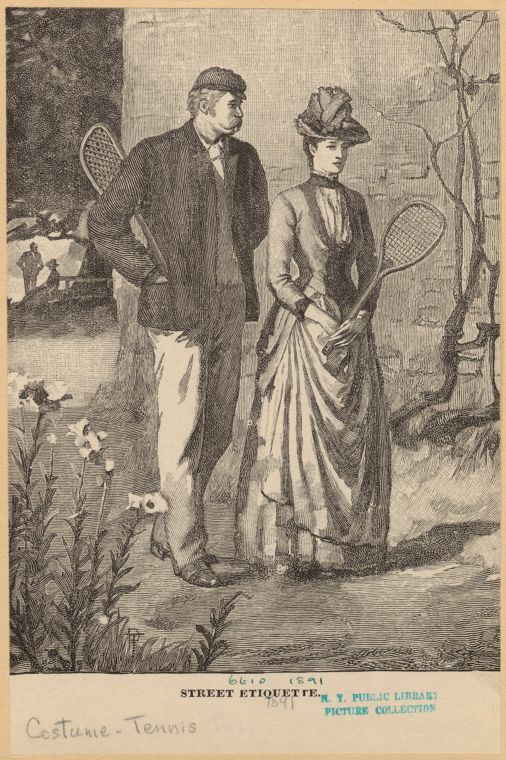
The exhibition incorporates a variety of reproduced archival and visual materials, including calling cards, mourning stationery, dance cards, ball invitations, etiquette manuals, and fashion plates. These objects demonstrate how social rules were embedded within everyday life and material culture. While dress and fashion are included through a supplementary Victorian fashion lookbook, clothing functions primarily as a supporting element that reflects broader expectations surrounding conduct, class, gender, and social visibility. The lookbook highlights categories such as mourning attire, visiting wear, walking dress, dinner dress, evening wear, and accessories, emphasizing how appearance communicated social identity and behavioral expectations.
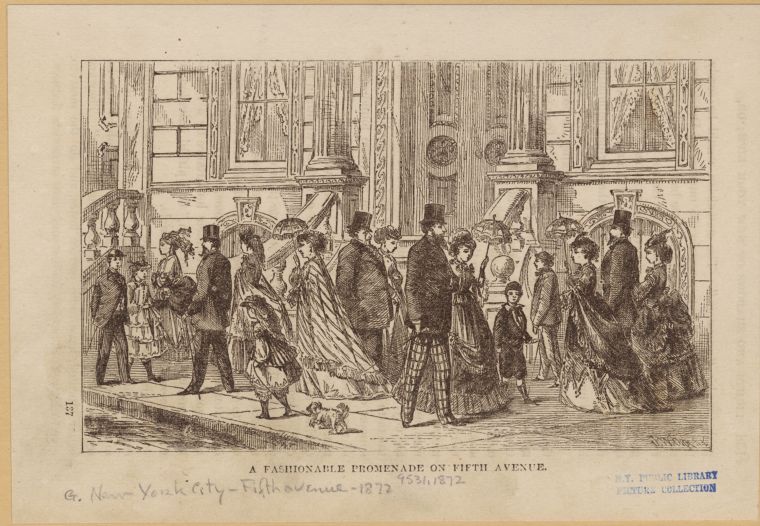
The project combines archival research, exhibition design, visual interpretation, and public humanities practices to translate academic research into an accessible exhibition format. Particular attention was given to exhibition layout, object selection, panel design, and visitor engagement within the physical limitations of the exhibition space. The project also considers how exhibition design can shape interpretation and accessibility, including the use of supplementary materials such as handouts and lookbooks to extend audience interaction beyond the wall panels themselves.
By combining social history, material culture, and exhibition practice, The Invisible Script highlights how etiquette structured everyday life and reinforced systems of class, gender, and respectability within Victorian society.
